Resources · Books · System Design
Best System Design Books for Backend Engineers (2026)
System design is one of the few engineering subjects where the books really do matter — partly because there's so much vendor-flavoured noise online, and partly because the foundations don't change as fast as the marketing suggests. The list below is the one we send junior engineers, interview candidates and tech leads when they ask for a single, focused reading path. It starts with Designing Data-Intensive Applications (the most useful technical book a backend engineer can read), continues with the Alex Xu interview pair, and ends with the operational books — SRE, Release It!, Building Microservices — that explain why systems fall over in production. Read in order, this is a one-year curriculum that quietly turns mid-level engineers into senior ones.
Books in this list
 1
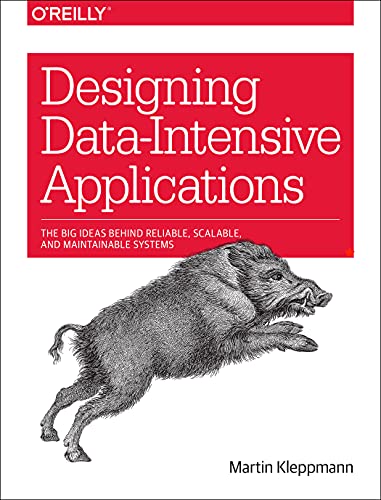
1Martin Kleppmann · 2017
Designing Data-Intensive Applications
The single most useful book a backend engineer can read.
Kleppmann walks through the entire stack of modern data systems — storage engines, replication, partitioning, transactions, consensus, stream processing — with rigour, diagrams and the trade-offs that actually matter.
- Who should read it
- Every backend or platform engineer past their first year. Mid-level to staff engineers will reread it for years.
- Key takeaway
- All distributed-systems pain is just three or four trade-offs (consistency, latency, cost, complexity) showing up wearing different masks.
Affiliate link — buying through it supports Jarviix at no extra cost to you.
 2
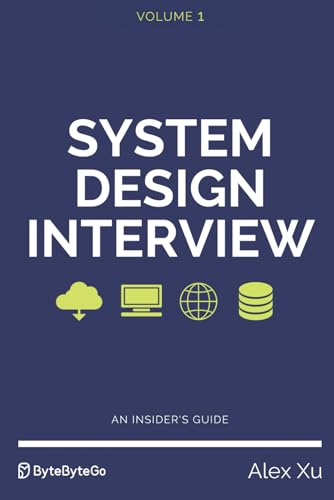
2Alex Xu · 2020
System Design Interview – An Insider's Guide (Vol. 1)
16 classic system-design problems, answered the way interviewers want.
Walks through canonical interview problems — rate limiter, URL shortener, news feed, chat, auto-complete — with the structured framework Big Tech interviewers expect.
- Who should read it
- Engineers prepping for L4–L6 system-design interviews.
- Key takeaway
- System design interviews reward a *structured framework* (clarify, estimate, draw, deep-dive) more than any single answer.
Affiliate link — buying through it supports Jarviix at no extra cost to you.
 3
3Alex Xu, Sahn Lam · 2022
System Design Interview – Vol. 2
Twelve more advanced design problems for L5/L6 prep.
Picks up where Vol. 1 left off with messaging, location services, real-time games, payments, ad serving, hotel booking and more — with the same structured walkthroughs.
- Who should read it
- Senior+ engineers preparing for the second half of a typical interview loop.
- Key takeaway
- The same handful of building blocks (queues, caches, indexes, consensus) explain almost every modern system at the whiteboard.
Affiliate link — buying through it supports Jarviix at no extra cost to you.
 4
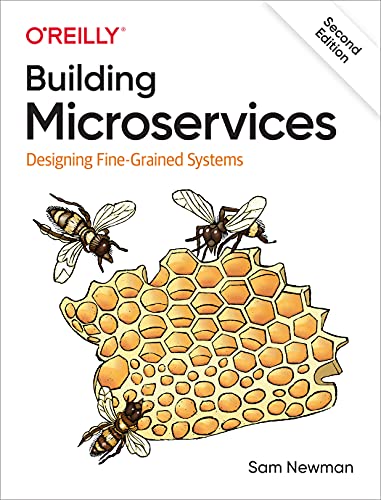
4Sam Newman · 2021
Building Microservices
The honest, opinionated reference on splitting a monolith.
Newman covers the entire microservices lifecycle — from domain decomposition to deployment to observability — and is refreshingly clear about when not to split a monolith.
- Who should read it
- Engineers and tech leads about to break (or already broken) up a monolith.
- Key takeaway
- Microservices solve organisational problems first, technical problems second. If your team is small, your monolith is probably fine.
Affiliate link — buying through it supports Jarviix at no extra cost to you.
 5
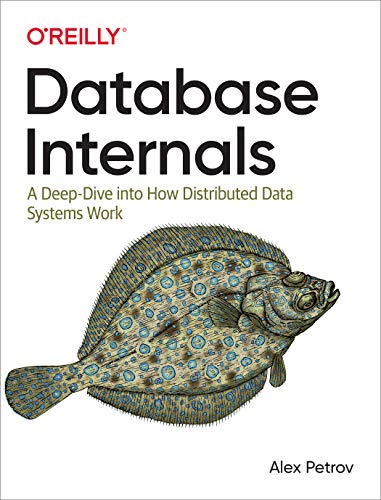
5Alex Petrov · 2019
Database Internals
How storage engines and distributed databases actually work.
Petrov goes deep on B-trees vs LSM, write-ahead logs, replication protocols, consensus algorithms — the things that explain why your favourite database has the failure modes it does.
- Who should read it
- Engineers who want to stop treating databases as black boxes.
- Key takeaway
- Most database 'magic' is one of a small number of well-documented data structures and protocols, dressed up differently.
Affiliate link — buying through it supports Jarviix at no extra cost to you.
 6
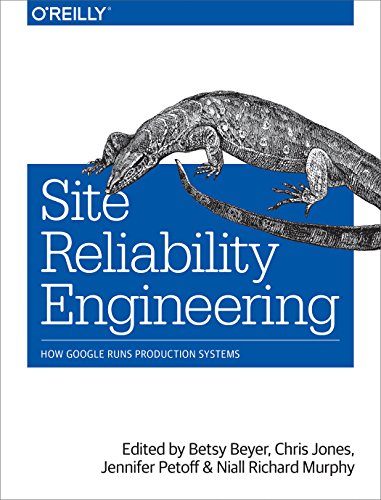
6Google (Beyer, Jones, Petoff, Murphy) · 2016
Site Reliability Engineering
How Google runs production systems at scale.
The original SRE book — covers SLOs, error budgets, incident response, post-mortems, capacity planning and the cultural practices that make reliability a first-class engineering discipline.
- Who should read it
- Anyone running production services or building platform/infra teams.
- Key takeaway
- Reliability isn't a feeling — it's a number. Pick the number, defend it with engineering, and let the error budget govern velocity.
Affiliate link — buying through it supports Jarviix at no extra cost to you.
 7
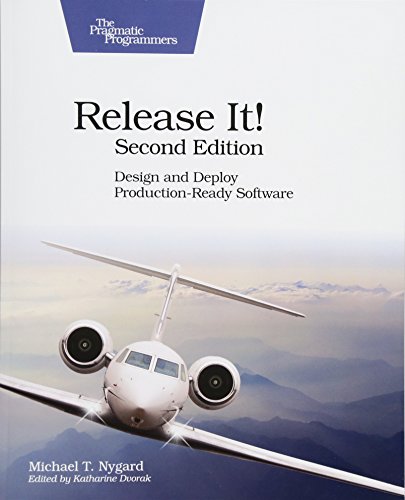
7Michael T. Nygard · 2018
Release It! Design and Deploy Production-Ready Software
Stability patterns for systems that don't fall over at 3am.
Nygard catalogues the production failure modes you'll meet (cascading failures, integration points, slow responses) and the patterns — circuit breakers, bulkheads, timeouts — that prevent them.
- Who should read it
- Engineers responsible for systems that real users depend on.
- Key takeaway
- Most outages aren't caused by exotic bugs — they're caused by a handful of well-known patterns we keep forgetting to defend against.
Affiliate link — buying through it supports Jarviix at no extra cost to you.
 8
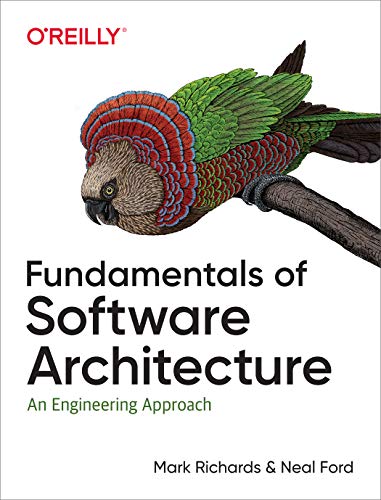
8Mark Richards, Neal Ford · 2020
Fundamentals of Software Architecture
The first textbook the field has had in a long time.
Covers architectural styles, characteristics, decision records, and the soft-skills side of being an architect — diagramming, presenting trade-offs, working with engineering managers.
- Who should read it
- Senior engineers about to take on architect-shaped responsibilities.
- Key takeaway
- Architecture is the set of decisions that are expensive to change later. Name them, document them, defend them.
Affiliate link — buying through it supports Jarviix at no extra cost to you.
 9
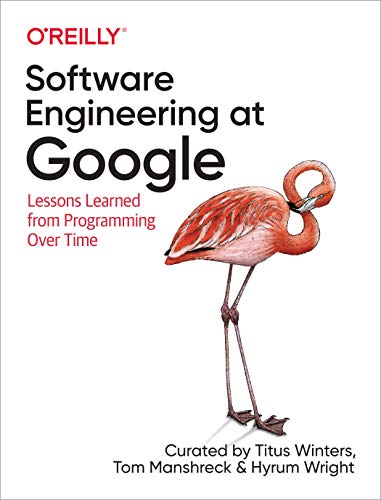
9Titus Winters, Tom Manshreck, Hyrum Wright · 2020
Software Engineering at Google
Engineering practices that survive scale and time.
Less about how-to-write-code and more about how-to-run-engineering — code review, large-scale refactoring, dependency management, deprecation, build systems.
- Who should read it
- Engineers in mid-to-large codebases, and anyone moving toward staff/principal scope.
- Key takeaway
- Software engineering is programming integrated over time. Costs that look small today compound mercilessly.
Affiliate link — buying through it supports Jarviix at no extra cost to you.
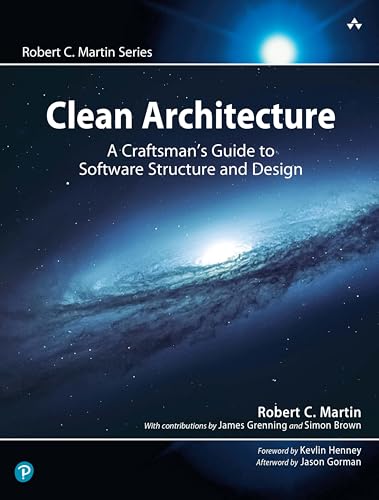 10
10Robert C. Martin · 2017
Clean Architecture
Boundary-driven design for long-lived codebases.
Lays out a layered, dependency-inverted architecture (entities → use cases → interface adapters → frameworks) intended to keep business logic isolated from frameworks and databases.
- Who should read it
- Engineers maintaining large applications who want a vocabulary for boundaries.
- Key takeaway
- Frameworks are details. Databases are details. The business rules are the *core* — protect them with boundaries.
Affiliate link — buying through it supports Jarviix at no extra cost to you.
Pair the books with the work
Long-form HLD writeups, distributed-systems explainers, and a 60-day SSE Interview Prep plan — pair them with the books above.
More reading lists
Finance · Books
27 curated picks


Best Investing Books for Beginners and Long-Term Investors
A curated reading list of the best investing books for beginners and long-term investors — Graham, Bogle, Lynch, Housel and more, with clear takeaways for each.
Open reading listFinance · Books
24 curated picks

Best Trading Books for Beginners and Serious Traders
The best trading books to learn risk management, market psychology, technical analysis and options — chosen for traders who actually want to survive their first five years.
Open reading listFinance · Books
16 curated picks

Best Personal Finance Books for Indians
Curated reading list of the best personal-finance books — Indian and global — covering budgeting, debt, automation, behaviour and the road to financial independence.
Open reading list