Resources · Books · Investing
Best Investing Books for Beginners and Long-Term Investors (2026)
Most investing books are either too heavy for beginners or too thin to be useful. This curated reading list — picked from the books we actually return to — is built to take a beginner from first SIP to confident long-term investor without wasting a weekend on the wrong title. Every entry below has earned its place across decades of bull and bear markets, and each one is paired with a one-line takeaway and a 'who should read it' note so you can pick the right starting point. We focus on principles over stock tips, behaviour over predictions, and writing that ages well. If you only have time for two of them, start with The Psychology of Money for the temperament, then The Little Book of Common Sense Investing for the math.
Books in this list
 1
1Morgan Housel · 2020
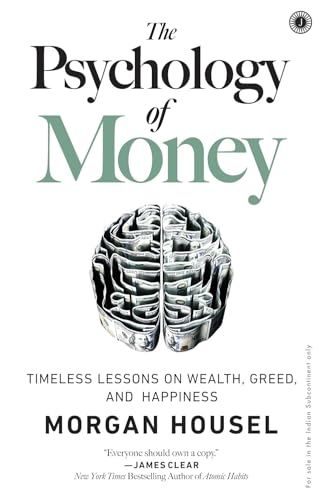
The Psychology of Money
Why behaviour beats spreadsheets, in 19 short essays.
Housel argues that doing well with money has little to do with intelligence and everything to do with behaviour — and proves it with stories about luck, greed, time, and how compounding hides in plain sight.
- Who should read it
- Every investor or saver — from total beginners to experienced PMs who keep blowing up their personal portfolio.
- Key takeaway
- Reasonable beats rational. A strategy you can stick with for decades will out-earn the optimal one you abandon in a drawdown.
Affiliate link — buying through it supports Jarviix at no extra cost to you.
 2
2John C. Bogle · 2007
The Little Book of Common Sense Investing
The case for low-cost index funds, by the founder of Vanguard.
Bogle makes the math case for owning the market via low-cost index funds, dismantles the active-vs-passive debate with arithmetic instead of opinion, and explains why costs and behaviour quietly decide most outcomes.
- Who should read it
- Anyone choosing between index funds and actively managed funds, or building their first SIP.
- Key takeaway
- Don't look for the needle — buy the haystack. Costs compound just like returns do, but in the wrong direction.
Affiliate link — buying through it supports Jarviix at no extra cost to you.
 3
3Benjamin Graham · 1949
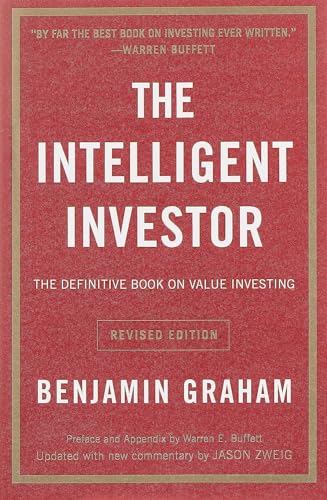
The Intelligent Investor
The patient-investor playbook that taught Buffett how to think.
Graham's value-investing classic separates intelligent investing from speculation, builds the margin-of-safety idea brick by brick, and stays useful 75 years after publication because it teaches a temperament, not a trade.
- Who should read it
- Anyone who buys equities or mutual funds and wants a permanent mental model for risk and price.
- Key takeaway
- Treat Mr. Market as your servant, not your guide — and never confuse the price of a thing with its value.
Affiliate link — buying through it supports Jarviix at no extra cost to you.
 4
4Robert T. Kiyosaki · 1997
Rich Dad Poor Dad
The book that put financial literacy on the bestseller list.
Kiyosaki contrasts the money lessons from his 'two dads' to argue that the rich don't work for money — they buy assets that work for them. Polarising in places, but the core mindset shift around assets vs liabilities is the gateway book millions credit with starting their investing journey.
- Who should read it
- First-time readers of personal-finance books, especially anyone who feels their salary disappears every month.
- Key takeaway
- An asset puts money in your pocket; a liability takes it out. Most people get rich by acquiring assets, not by earning more.
Affiliate link — buying through it supports Jarviix at no extra cost to you.
 5
5JL Collins · 2016
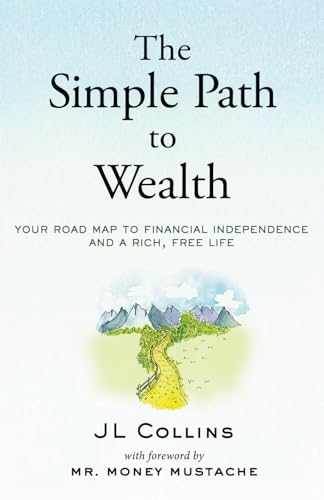
The Simple Path to Wealth
The 'just buy index funds' book, written as letters to a daughter.
Collins' compilation of his famous 'stock series' — a calm, opinionated argument for f-you money, simple low-cost index investing and ignoring the noise. Every investing principle in one short, readable book.
- Who should read it
- Any new investor who wants a complete plan in one weekend of reading.
- Key takeaway
- Spend less than you earn, invest the surplus in low-cost broad-market index funds, avoid debt — and otherwise leave it alone.
Affiliate link — buying through it supports Jarviix at no extra cost to you.
 6
6Thomas J. Stanley, William D. Danko · 1996
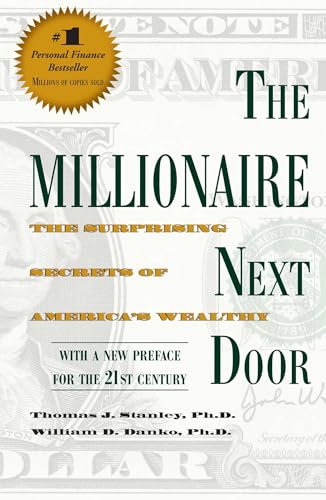
The Millionaire Next Door
What 30 years of research revealed about how real millionaires actually live.
A surprising, data-driven portrait of America's wealthy: most aren't doctors or CEOs in mansions — they're frugal small-business owners who quietly under-spend their income for decades. Demolishes the lifestyle-driven definition of wealth.
- Who should read it
- Anyone who suspects spending their next pay raise won't make them feel wealthier — and is right.
- Key takeaway
- Wealth is what you don't spend. Income is a river; net worth is the lake — only one of them lasts.
Affiliate link — buying through it supports Jarviix at no extra cost to you.
 7
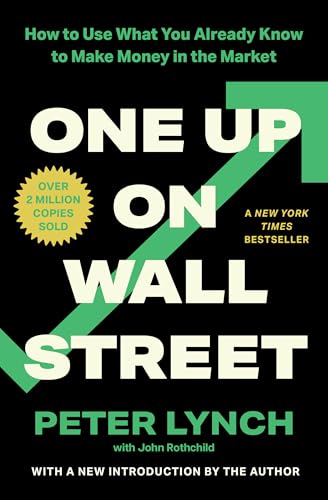
7Peter Lynch · 1989
One Up On Wall Street
Use what you already know to find ten-baggers.
Lynch shows how an attentive amateur often spots category-defining companies long before Wall Street does — and lays out a simple, story-led framework for evaluating them.
- Who should read it
- Investors who pick individual stocks and want a sane process before opening a screener.
- Key takeaway
- Know what you own and why you own it. The best investments come from things you understand intimately.
Affiliate link — buying through it supports Jarviix at no extra cost to you.
 8
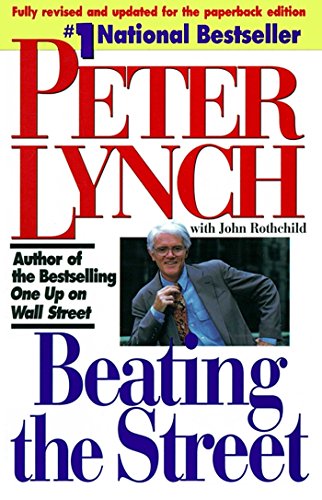
8Peter Lynch · 1993
Beating the Street
Lynch's Magellan-era playbook in his own words.
A more practical, case-study-led companion to One Up On Wall Street. Lynch walks through real picks, the mistakes he made, and his '25 golden rules' for individual investors.
- Who should read it
- Stock pickers who liked One Up On Wall Street and want more concrete examples.
- Key takeaway
- Story first, numbers second — but if you can't explain a stock to an 11-year-old in 2 minutes, you don't understand it.
Affiliate link — buying through it supports Jarviix at no extra cost to you.
 9
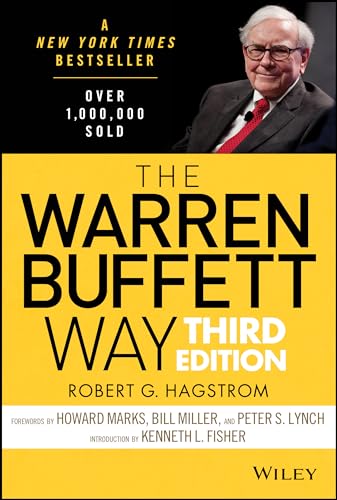
9Robert G. Hagstrom · 1994
The Warren Buffett Way
A clean reverse-engineering of Buffett's investment process.
Hagstrom decodes Buffett's actual decision framework — business, management, financial and value tenets — using real Berkshire investments as case studies. Less hagiography than most Buffett books, more checklist.
- Who should read it
- Investors who want a usable framework rather than another biography of the man.
- Key takeaway
- Buy wonderful businesses at fair prices. Hold them as long as the business stays wonderful — measured in years, not quarters.
Affiliate link — buying through it supports Jarviix at no extra cost to you.
 10
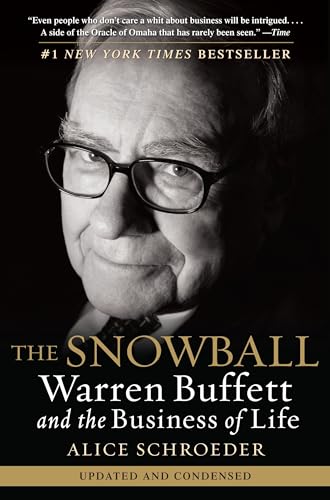
10Alice Schroeder · 2008
The Snowball: Warren Buffett and the Business of Life
The authorised, doorstop biography of Warren Buffett.
Schroeder's deeply-reported biography is the definitive Buffett book — equal parts business history, behavioural psychology and life advice on partnerships, reputation and patience.
- Who should read it
- Anyone curious about the temperament behind one of the longest investing track records on record.
- Key takeaway
- Find your wet snow and a long hill — then roll. Reputation, partnerships and patience compound just like capital.
Affiliate link — buying through it supports Jarviix at no extra cost to you.
 11
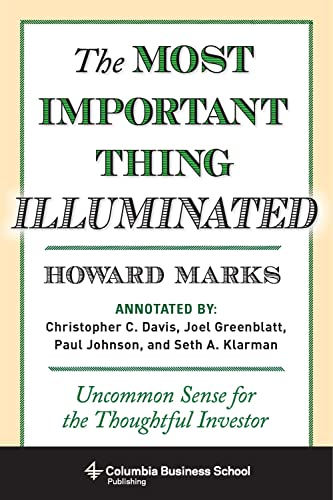
11Howard Marks · 2011
The Most Important Thing
Howard Marks' Oaktree memos, distilled into one essential book.
Marks builds his investing philosophy chapter by chapter — second-level thinking, the importance of cycles, the role of luck, the relationship between risk and return. Buffett famously calls it 'a rarity, a useful book'.
- Who should read it
- Intermediate-to-advanced investors who want to think more carefully about risk.
- Key takeaway
- Investing is the discipline of relative selection from a near-infinite opportunity set — at every step, ask 'and then what?'
Affiliate link — buying through it supports Jarviix at no extra cost to you.
 12
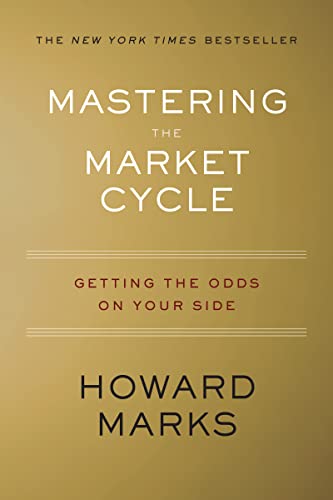
12Howard Marks · 2018
Mastering the Market Cycle
Why where-we-are-in-the-cycle matters more than what-to-buy.
A companion to The Most Important Thing focused entirely on cycles — economic, credit, sentiment and risk. Marks argues you can't predict, but you can prepare, by reading where you are.
- Who should read it
- Investors and allocators making top-down decisions about how aggressive to be right now.
- Key takeaway
- You can't predict the future — but you can position yourself appropriately for whatever the cycle is currently rewarding.
Affiliate link — buying through it supports Jarviix at no extra cost to you.
 13
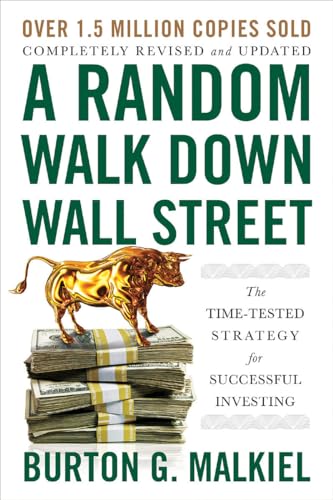
13Burton G. Malkiel · 1973
A Random Walk Down Wall Street
The original case for low-cost, broadly diversified investing.
Malkiel surveys every investing style — fundamental, technical, modern portfolio theory — and shows why most active strategies fail to beat a simple, diversified, low-cost index portfolio over time.
- Who should read it
- Anyone curious about market efficiency, asset allocation, or whether they should pay for active management.
- Key takeaway
- Markets aren't perfectly efficient, but they're efficient enough that costs and discipline matter more than stock-picking flair.
Affiliate link — buying through it supports Jarviix at no extra cost to you.
 14
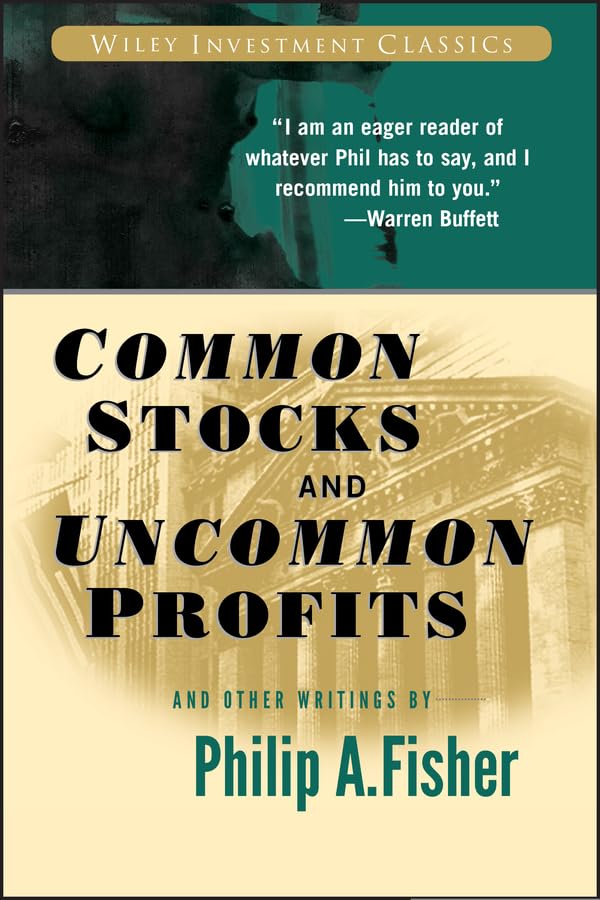
14Philip A. Fisher · 1958
Common Stocks and Uncommon Profits
The growth-investing companion to Graham.
Fisher's 'scuttlebutt' method — talking to customers, suppliers and competitors — is still the foundation of modern qualitative equity research, and his 15-point checklist is timeless.
- Who should read it
- Investors who want to evaluate growth companies on more than just the income statement.
- Key takeaway
- Great compounders are rare and hard to find — when you find one, the right holding period is 'forever'.
Affiliate link — buying through it supports Jarviix at no extra cost to you.
 15
15Christopher Mayer · 2015
100 Baggers
How to find the rare stocks that return 100x.
Mayer studies the common features of stocks that returned 100x over decades — small base, long runway, high reinvestment, owner-operators — and argues most investors sell winners far too early.
- Who should read it
- Long-horizon equity investors comfortable holding for 10–20 years.
- Key takeaway
- Find a great compounder, hold it through the noise — the tax man and the impatient sell winners early.
Affiliate link — buying through it supports Jarviix at no extra cost to you.
 16
16William N. Thorndike · 2012
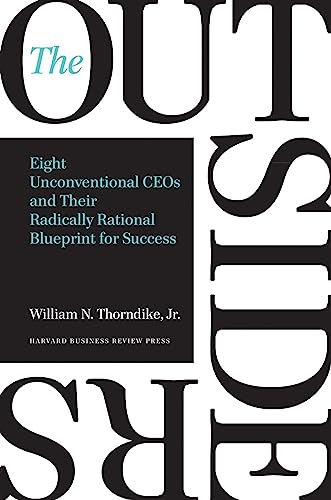
The Outsiders
Eight unconventional CEOs and the capital-allocation lessons they leave behind.
Thorndike profiles eight CEOs (Singleton, Murphy, Buffett among them) whose long-term outperformance came from capital allocation, not operations. A masterclass in how to evaluate management.
- Who should read it
- Equity investors trying to learn how to assess capital-allocator CEOs.
- Key takeaway
- Long-term per-share value comes from capital allocation. Most CEOs treat it as an afterthought; the best treat it as the job.
Affiliate link — buying through it supports Jarviix at no extra cost to you.
 17
17Mohnish Pabrai · 2007
The Dhandho Investor
'Heads I win, tails I don't lose much' — value investing, Patel-style.
Pabrai distils the Patel-motel community's playbook of low-risk, high-return business bets into a clean framework for equity investors. Short, punchy, and full of memorable case studies.
- Who should read it
- Value investors looking for a low-noise restatement of the Graham/Buffett toolkit.
- Key takeaway
- Few bets, big bets, infrequent bets. Wait for the fat pitch — and bet a meaningful slug when it arrives.
Affiliate link — buying through it supports Jarviix at no extra cost to you.
 18
18Gautam Baid · 2018
The Joys of Compounding
A modern, India-aware reading list disguised as an investing book.
Baid synthesises the great investing classics — Graham, Buffett, Munger, Marks, Pabrai — through an Indian-investor lens. Equal parts framework and curated annotated bibliography.
- Who should read it
- Indian equity investors who want one book that points at all the others.
- Key takeaway
- Compounding works in capital, knowledge and reputation alike — and patience is the rarest of the three.
Affiliate link — buying through it supports Jarviix at no extra cost to you.
 19
19Benjamin Graham, David L. Dodd · 1934
Security Analysis
The original 1934 textbook of value investing.
Graham and Dodd's exhaustive treatment of how to value bonds, preferreds and equities. Heavier and more rigorous than The Intelligent Investor — the reference text for anyone serious about fundamental analysis.
- Who should read it
- Practising fundamental analysts who want the foundational text in full.
- Key takeaway
- Investing is buying a security at a price that gives margin of safety against intrinsic value — everything else is speculation.
Affiliate link — buying through it supports Jarviix at no extra cost to you.
 20
20William J. Bernstein · 2009
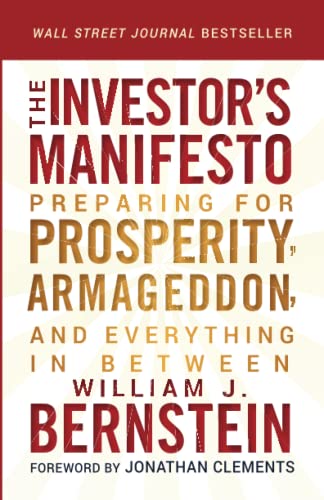
The Investor's Manifesto
Asset allocation, diversification and the 2008 lessons in 200 pages.
Bernstein's slim, post-2008 follow-up to The Four Pillars — covers historical returns, the inevitability of bubbles and busts, and a practical low-cost asset-allocation framework.
- Who should read it
- DIY investors building their first long-term asset allocation.
- Key takeaway
- Risk and reward are inseparable. If a return looks too easy, you're underestimating the tail risk attached to it.
Affiliate link — buying through it supports Jarviix at no extra cost to you.
 21
21Saurabh Mukherjea, Rakshit Ranjan, Pranab Uniyal · 2018
Coffee Can Investing
Buy great Indian businesses. Then do nothing for ten years.
An India-flavoured take on long-horizon, low-turnover investing. Builds a clean, rules-based screener for high-quality Indian equities and shows what 'patient capital' actually looks like in practice.
- Who should read it
- Indian investors building a long-term equity portfolio outside of mutual funds.
- Key takeaway
- Find businesses with consistent growth and clean accounting, hold them for a decade, and resist the urge to fiddle.
Affiliate link — buying through it supports Jarviix at no extra cost to you.
 22
22Saurabh Mukherjea · 2016
The Unusual Billionaires
Seven Indian businesses that compounded for decades — and why.
Mukherjea profiles seven Indian companies that delivered exceptional long-term returns and isolates the operating, financial and governance traits that made them unusual.
- Who should read it
- Indian equity investors building a quality-tilted long-term portfolio.
- Key takeaway
- Quality businesses in India share a small set of characteristics — clean accounting, capital discipline, focus — and they're knowable in advance.
Affiliate link — buying through it supports Jarviix at no extra cost to you.
 23
23Saurabh Mukherjea, Rakshit Ranjan, Salil Desai · 2021
Diamonds in the Dust
A modernised Coffee Can framework for the next decade of Indian equities.
Updates the Coffee Can methodology with new screens, new businesses and new sector lenses — the sequel that takes the framework into the post-COVID Indian market.
- Who should read it
- Investors who liked Coffee Can Investing and want the next iteration.
- Key takeaway
- Most great Indian compounders share four traits — focus, frugality, free cash flow and franchise — and you can screen for them.
Affiliate link — buying through it supports Jarviix at no extra cost to you.
 24
24Parag Parikh · 2005
Stocks to Riches
The Indian investor's behavioural-finance handbook.
The late Parag Parikh dismantles the cognitive traps Indian retail investors fall into — herd mentality, anchoring, loss aversion — and offers a calm, value-led process to escape them.
- Who should read it
- Indian retail investors who keep buying tops and selling bottoms.
- Key takeaway
- The biggest enemy of the Indian investor isn't the market — it's their own behaviour around the market.
Affiliate link — buying through it supports Jarviix at no extra cost to you.
 25
25Santosh Nair · 2016
Bulls, Bears and Other Beasts
Three decades of Indian stock-market history, told as fiction.
A lightly-fictionalised insider's tour through the Harshad Mehta era, the Ketan Parekh scam, the dot-com boom and the 2008 crash — through the eyes of one Mumbai trader.
- Who should read it
- Indian investors who want to feel the cycles instead of just reading about them.
- Key takeaway
- Indian markets repeat the same patterns of greed and regulatory cleanup — knowing the history makes it easier to spot the next round.
Affiliate link — buying through it supports Jarviix at no extra cost to you.
 26
26Monika Halan · 2018
Let's Talk Money
An Indian's complete personal-finance setup, end to end.
Halan walks an Indian household from emergency fund to insurance to investing to estate planning — opinionated, practical, and free of product jargon.
- Who should read it
- Anyone in India who wants a complete, honest checklist for setting up their money once.
- Key takeaway
- Build the boring backbone first — emergency fund, term insurance, health insurance — *then* worry about returns.
Affiliate link — buying through it supports Jarviix at no extra cost to you.
 27
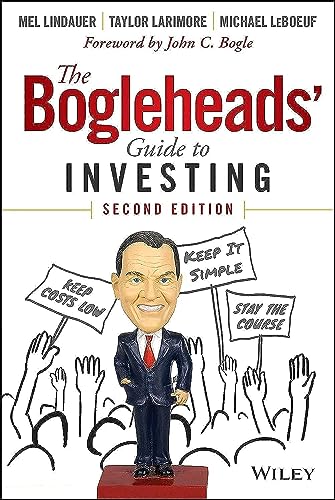
27Taylor Larimore, Mel Lindauer, Michael LeBoeuf · 2006
The Bogleheads' Guide to Investing
The community handbook to lazy-portfolio, low-cost investing.
A practical, opinionated companion to Bogle's philosophy — covers asset allocation, tax efficiency, withdrawal planning, and the behavioural traps that quietly tax returns.
- Who should read it
- DIY investors who want a complete, low-maintenance lifetime plan.
- Key takeaway
- A simple three- or four-fund portfolio rebalanced on a calendar will beat the vast majority of complicated ones.
Affiliate link — buying through it supports Jarviix at no extra cost to you.
Pair the books with the work
Long-form investing writing, calculators, and a 100+ article library — everything that pairs with the books above.
More reading lists
Finance · Books
24 curated picks

Best Trading Books for Beginners and Serious Traders
The best trading books to learn risk management, market psychology, technical analysis and options — chosen for traders who actually want to survive their first five years.
Open reading listFinance · Books
16 curated picks

Best Personal Finance Books for Indians
Curated reading list of the best personal-finance books — Indian and global — covering budgeting, debt, automation, behaviour and the road to financial independence.
Open reading listTech · Books
10 curated picks


Best System Design Books for Backend Engineers
The system-design books we recommend to backend engineers and interview candidates — DDIA, Building Microservices, Database Internals, SRE, and more.
Open reading list